
Wall Holes & Cracks: Plaster Repair vs. Deeper Issue
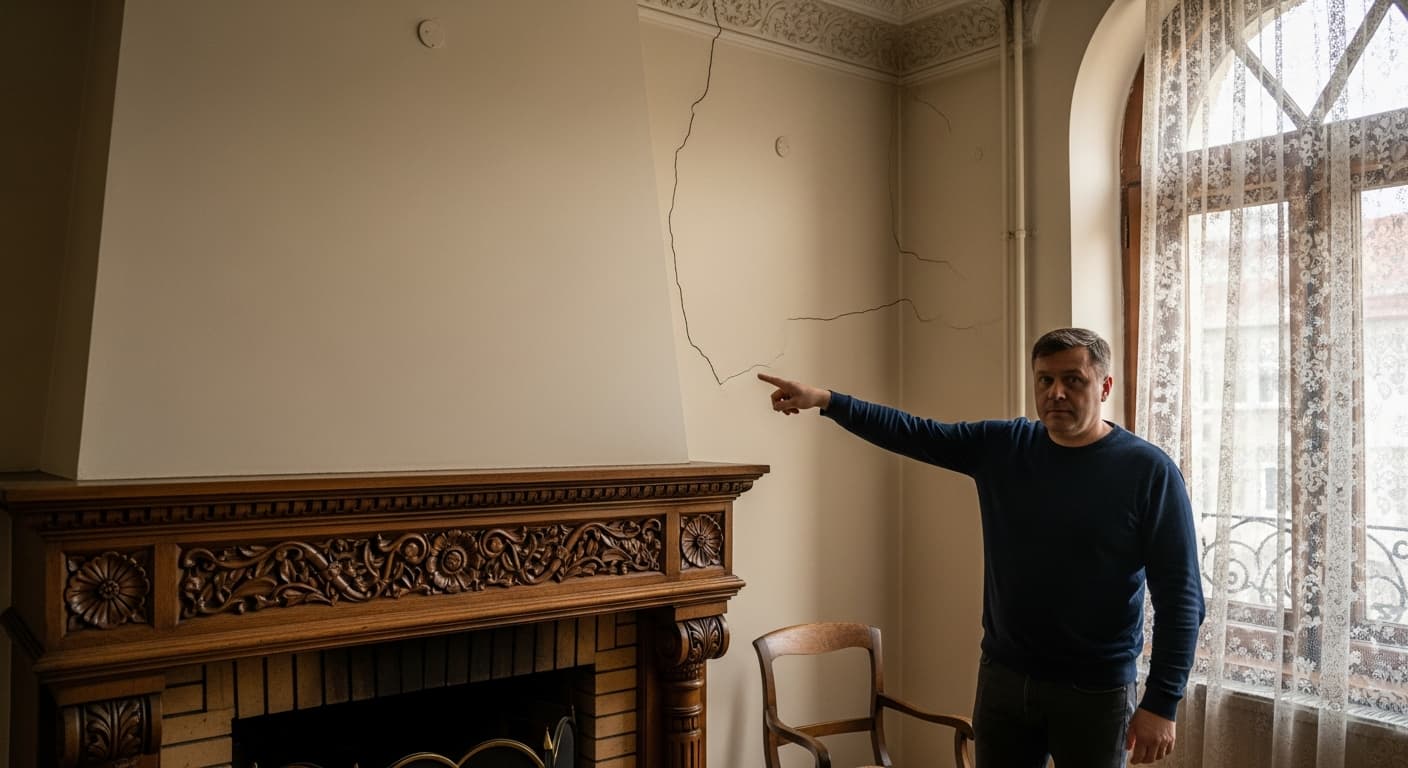
Wall damage, from small holes to significant cracks, is a common occurrence in homes. Deciding whether a simple plaster repair is sufficient or if the issue warrants a professional investigation is a critical distinction. Misinterpreting the cause of wall damage can lead to recurring problems or, worse, overlooked structural issues that become more costly to address later.
Minor Surface Damage: When Plaster Repair Suffices
Most wall imperfections are cosmetic and easily fixed with plaster or joint compound. These typically include:
- Small Nail or Screw Holes: From hanging pictures or removing fixtures. These are superficial and do not indicate structural problems.
- Minor Dents and Scrapes: Caused by furniture bumps or everyday wear. The damage is limited to the surface plaster or drywall.
- Hairline Cracks: Very thin, often less than 1 mm wide, these cracks usually appear in plaster or paint and are a result of minor house settling, paint drying, or temperature fluctuations. They do not extend into the structural material of the wall.
For these types of damage, the repair process involves cleaning the area, applying a suitable patching compound, sanding smooth, and repainting. This is often a task a homeowner can manage with basic tools and materials available at any hardware store.
When to Investigate Deeper: Signs of Structural Issues
Certain types of cracks and wall damage signal more than just cosmetic imperfections. These warrant a closer look and potentially a professional assessment:
- Large or Wide Cracks: Cracks exceeding 3 mm (about 1/8 inch) in width.
- Jagged or Stair-Step Cracks: These often appear in masonry walls (brick or block) and follow the mortar lines, indicating movement in the foundation or wall structure.
- Cracks Near Doors and Windows: Especially those radiating from corners in a diagonal pattern. These can indicate stress points due to shifting foundations or lintel issues.
- Cracks That Continue Across Ceilings and Walls: A crack that spans multiple surfaces suggests a broader issue affecting the entire structure.
- Recurring Cracks: If a crack has been repaired previously but reappears in the same spot, the underlying cause has not been addressed.
- Cracks Accompanied by Other Symptoms:
- Uneven Floors or Sticking Doors/Windows: These are strong indicators of foundation settlement.
- Dampness or Water Stains: Cracks combined with moisture suggest water intrusion, which can compromise structural integrity.
- Bulging or Leaning Walls: Severe structural issues are often accompanied by noticeable deformation of the wall itself.
These types of cracks often point to issues like foundation settlement, water damage, or significant structural shifts that require expert diagnosis and repair. Ignoring them can lead to more extensive and expensive damage.
Assessing the Damage: Initial Steps
Before deciding on a course of action, observe the damage carefully:
Monitor Crack Growth
Place small pieces of tape or draw pencil lines across a crack and note the date. Check periodically (e.g., every few weeks) to see if the crack widens or lengthens. If the marks separate, the crack is active and likely structural.
Consider the Age of the Property
Older homes naturally experience more settling, but new, rapidly developing cracks are always a concern. In newer constructions, significant cracks shortly after completion can indicate construction defects.
Look for Patterns
Are cracks isolated, or do they form a pattern across multiple walls or floors? Widespread cracking suggests a systemic issue rather than an localized impact.
For minor surface imperfections, a DIY plaster repair can restore the aesthetic appeal of a wall. However, when cracks are wide, recurring, jagged, or accompanied by other signs of structural distress, a professional assessment is essential. A structural engineer or a qualified builder can diagnose the root cause and recommend appropriate solutions, preventing minor issues from escalating into major repairs. When in doubt, booking a professional through FIX ensures a thorough evaluation and the right repair strategy.