
Pet Damage: When to Call a Pro, When to DIY Prevention
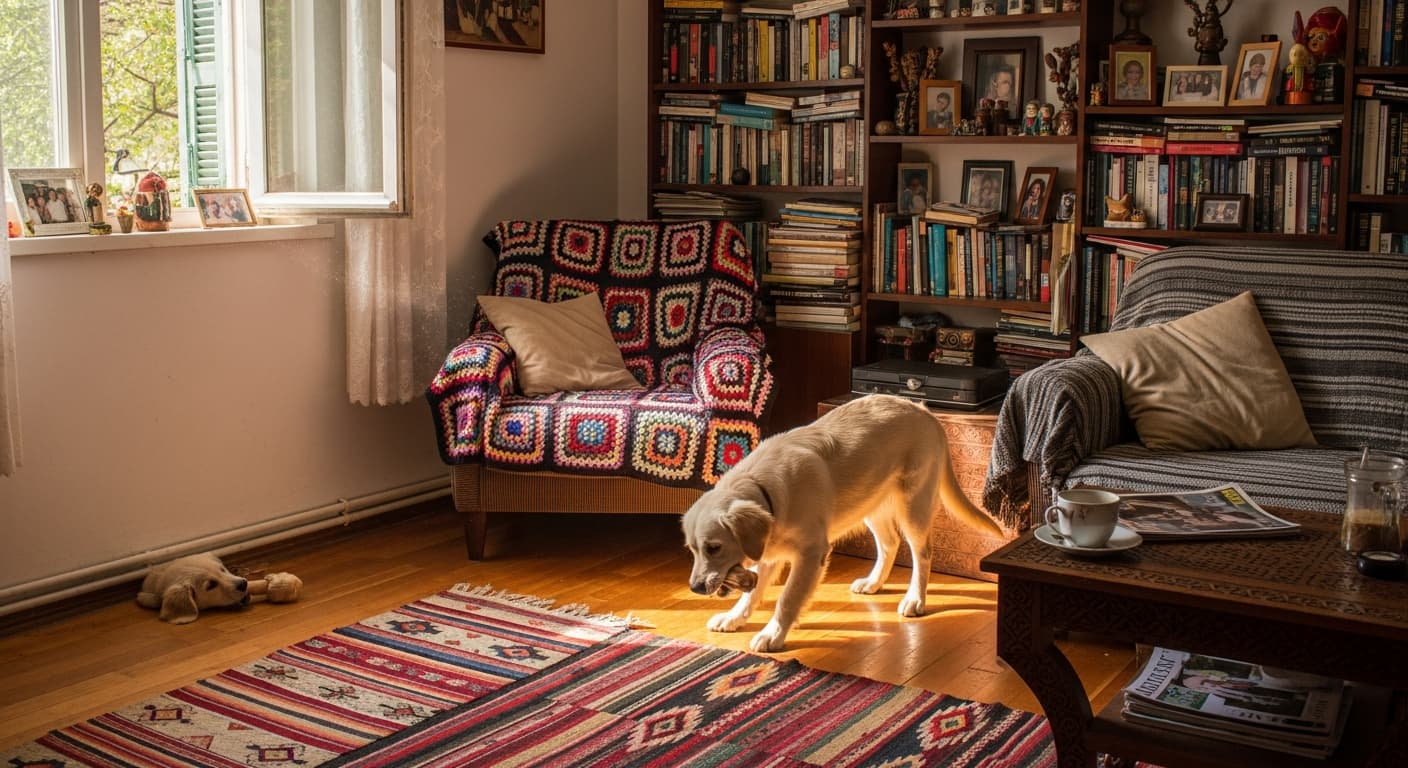
Pets are integral members of many households in Bulgaria, bringing companionship and joy. However, their natural behaviors can lead to specific wear and tear on a home. Understanding the difference between minor issues that a homeowner can address and more significant damage requiring professional intervention is critical for maintaining property integrity and safety. This guide outlines common pet-induced problems, offering practical prevention strategies and clarifying when it is advisable to engage a specialist for repairs.
Floor Damage: Scratches, Stains, and Subfloor Issues
One of the most frequent areas affected by pets is flooring. Hardwood, laminate, and even tile floors can suffer from scratches caused by claws, particularly from larger or more active breeds. Carpets are susceptible to urine stains and odors, which, if left untreated, can penetrate the underlayment and even the subfloor, leading to long-term damage and persistent smells.
Prevention Strategies for Floors:
- Regular Nail Trimming: Keeping pet nails short significantly reduces the risk of scratches on hard surfaces. This is a simple routine task that can be done at home or by a groomer for minimal cost.
- Protective Barriers: Place rugs or mats in high-traffic areas, especially near doors or feeding stations, to absorb impact and provide a buffer against claws.
- Immediate Cleanup: For accidents on carpets, prompt and thorough cleaning with enzymatic cleaners is essential to prevent stains and odors from setting in. Blot, do not rub.
When to Call a Pro for Floor Repairs:
While minor scratches on hardwood can sometimes be buffed out or covered with furniture, deep gouges often require sanding and refinishing, a task best handled by flooring specialists. Extensive urine damage that has reached the subfloor demands professional attention to prevent mold growth and structural compromise. This could involve removing and replacing affected sections of carpet, underlayment, and even subfloor planks. Costs for professional floor refinishing can range from €15-€30 per square meter, while subfloor repair can add several hundred euros depending on the extent of the damage.
Chewing and Gnawing: Baseboards, Doors, and Electrical Wiring
Young pets, especially puppies and kittens, often explore their environment with their mouths, leading to chewing damage on baseboards, door frames, furniture legs, and even exposed electrical cords. This behavior can be both costly and dangerous.
Prevention Strategies for Chewing:
- Provide Alternatives: Offer a variety of appropriate chew toys to redirect your pet's chewing instincts. Rotate toys to maintain interest.
- Bitter Sprays: Apply pet-safe bitter-tasting sprays to areas your pet frequently chews. These deterrents are inexpensive and often effective.
- Secure Cords: Use cord protectors or conduit to shield electrical wires. Keep wires tucked away or secured out of reach to prevent electrocution hazards.
- Supervision and Training: Closely supervise young pets and use positive reinforcement to train them on what is acceptable to chew.
When to Call a Pro for Chewing Damage:
Minor nicks on baseboards can be filled and repainted by a homeowner. However, if chewing has compromised the structural integrity of a door frame or, more critically, damaged electrical wiring, professional repair is non-negotiable. Damaged electrical systems pose a serious fire risk and require a certified electrician. Repairing or replacing a section of damaged electrical wiring typically costs between €50-€150, depending on accessibility and complexity. Significant damage to solid wood elements like door frames might necessitate carpentry work to restore appearance and function.
Wall and Door Damage from Claws and Impact
Pets, particularly dogs, can cause damage to walls and doors through scratching, jumping, or leaning. This often manifests as claw marks on drywall, chipped paint, or dings and dents on doors from impact when excited or trying to get through.
Prevention Strategies for Walls and Doors:
- Scratch Deterrents: Clear adhesive sheets or plastic panels can be applied to walls or doors in areas where pets frequently scratch.
- Pet Gates: Use pet gates to restrict access to certain rooms or areas where wall damage is a concern, especially when unsupervised.
- Training: Train pets not to jump on doors or scratch at walls. Consistency is key.
When to Call a Pro for Wall and Door Repairs:
Small scratches or paint chips on walls can often be patched and repainted by the homeowner. However, deeper gouges in drywall that require significant patching and texturing, or extensive damage to a hollow-core or solid door, are best left to a professional. A handyman or painter can efficiently repair and blend damaged drywall, avoiding visible patches. Door replacement or extensive repair can range from €100-€300 for a standard interior door, plus labor.
Persistent Odors and Ventilation Issues
Even with diligent cleaning, pet odors can sometimes permeate a home, embedding themselves in carpets, upholstery, and even drywall. This is particularly common with multiple pets or if past accidents were not thoroughly cleaned.
Prevention Strategies for Odors:
- Regular Cleaning: Vacuum carpets frequently, clean pet bedding weekly, and wipe down hard surfaces with pet-safe cleaners.
- Air Purification: Utilize air purifiers with activated carbon filters to help neutralize odors.
- Ventilation: Ensure good airflow in the home by opening windows when possible or using exhaust fans, especially in areas where pets spend a lot of time.
When to Call a Pro for Odor Removal:
If persistent odors remain despite regular cleaning and ventilation, professional intervention may be required. Deep cleaning services for carpets and upholstery use specialized equipment and solutions to extract embedded odors. In severe cases, particularly if odors have permeated walls or ductwork, professionals might use ozone generators or perform HVAC duct cleaning. These services are more effective than DIY methods for entrenched smells and can range from €50-€200 for carpet cleaning, or more for whole-house treatments.
While consistent preventative measures and diligent cleaning can mitigate many common pet-related issues, some damage necessitates expert intervention. For situations involving compromised electrical systems, extensive subfloor damage, significant structural wood repairs, or persistent, deep-seated odors, booking a professional through FIX ensures the repair is done correctly, safely, and to a lasting standard, protecting your home and investment.