
Mold on Apartment Walls: Causes, Removal, and Permanent Fixes
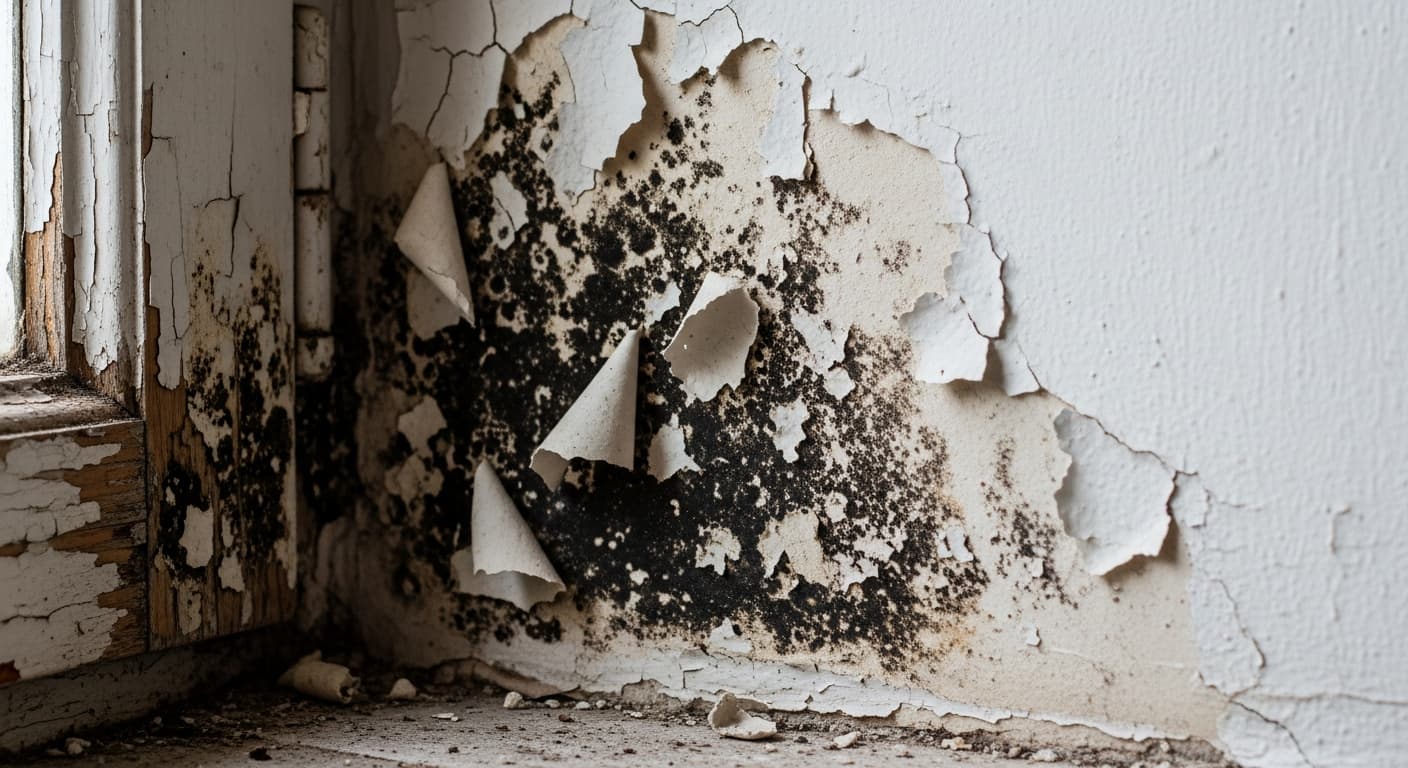
Mold on apartment walls is more than an aesthetic issue; it often indicates a deeper moisture problem that requires attention. While small patches can be managed with household cleaners, recurring or widespread mold suggests a structural defect that needs professional diagnosis and repair. Ignoring mold can lead to property damage and potential health concerns.
Why Mold Appears on Apartment Walls
Mold thrives in damp, dark environments where moisture is present. In apartments, common sources include condensation, leaks, and poor ventilation. Condensation forms when warm, moist air meets cold surfaces, such as exterior walls or windows, especially during colder months. This is often exacerbated by inadequate insulation or insufficient air circulation.
Leaks are another primary culprit. These can originate from a leaky roof, damaged plumbing behind walls, faulty window seals, or even a neighbor's apartment. Rising damp, though less common in upper-floor apartments, can affect ground-floor units where moisture from the soil wicks up through porous building materials. Poor ventilation in bathrooms, kitchens, and laundry areas allows humidity to accumulate, creating ideal conditions for mold growth.
Effective Mold Removal for Surfaces
For small, superficial mold patches (less than 1 square meter), homeowners can attempt removal using common household products. A solution of one part bleach to three parts water is effective for non-porous surfaces. Alternatively, white vinegar or hydrogen peroxide can be used as less harsh options. Always wear rubber gloves, eye protection, and a mask to avoid inhaling spores, and ensure the area is well-ventilated during and after cleaning.
Scrub the moldy surface with a stiff brush or sponge, then rinse and thoroughly dry the area. It is crucial to address the moisture source after cleaning to prevent immediate recurrence. If the mold covers a large area, returns quickly, or if anyone in the household experiences respiratory issues, it is time to stop DIY efforts and consult a professional.
Beyond Surface Cleaning: Addressing the Root Cause
Simply cleaning mold without addressing its underlying cause is a temporary fix. For permanent removal, the source of moisture must be identified and eliminated. This often means looking beyond the visible mold to potential structural issues.
- Leaks: Inspect all visible pipes, faucets, and seals. For hidden leaks behind walls, a professional plumber with specialized detection equipment may be required.
- Condensation: Improve ventilation with extractor fans in bathrooms and kitchens. Ensure proper insulation, especially on exterior walls, to reduce cold spots where condensation forms. Dehumidifiers can help manage overall humidity levels, ideally keeping them below 60%.
- Exterior Issues: Check the integrity of your building's roof, gutters, and downspouts. Clogged gutters can cause water to overflow and seep into walls. Inspect window and door frames for damaged caulk or seals.
When a Structural Fix Becomes Necessary
There are clear indicators that mold requires more than a simple cleaning and points to a structural problem that needs professional intervention. These include:
- Persistent Recurrence: Mold returns within weeks or months after cleaning.
- Large Area Coverage: Mold covering an area larger than 1 square meter suggests a significant moisture issue.
- Visible Water Damage: Peeling paint, warped drywall, or stained ceilings accompanying the mold.
- Musty Odor: A strong, persistent musty smell, even after cleaning, indicates hidden mold growth.
- Foundation or Roof Issues: Signs of water penetration from the foundation or roof.
Professionals can identify hidden leaks, assess insulation effectiveness, and perform necessary structural repairs such as waterproofing, re-caulking, or replacing damaged building materials. Attempting these repairs without proper expertise can lead to further damage or incomplete resolution of the moisture problem.
If mold on your apartment walls is a recurring problem, covers a significant area, or is accompanied by other signs of water damage, it is time to seek professional help. A qualified FIX specialist can accurately diagnose the source of the moisture, safely remove the mold, and implement permanent structural solutions to protect your property and ensure a healthy living environment.