
First Week in a New Bulgarian Apartment: Essential Checks
When moving into a new apartment in Bulgaria, the initial week is critical for establishing safety, functionality, and legal compliance. Beyond the task of unpacking boxes and arranging furniture, a systematic approach to essential checks and administrative tasks can prevent significant issues and expenses in the long term. This guide outlines key steps for a smooth and secure transition into your new home.
Immediate Safety Checks
Prioritise the safety of your new living space. A thorough inspection of critical systems can identify immediate hazards or necessary repairs.
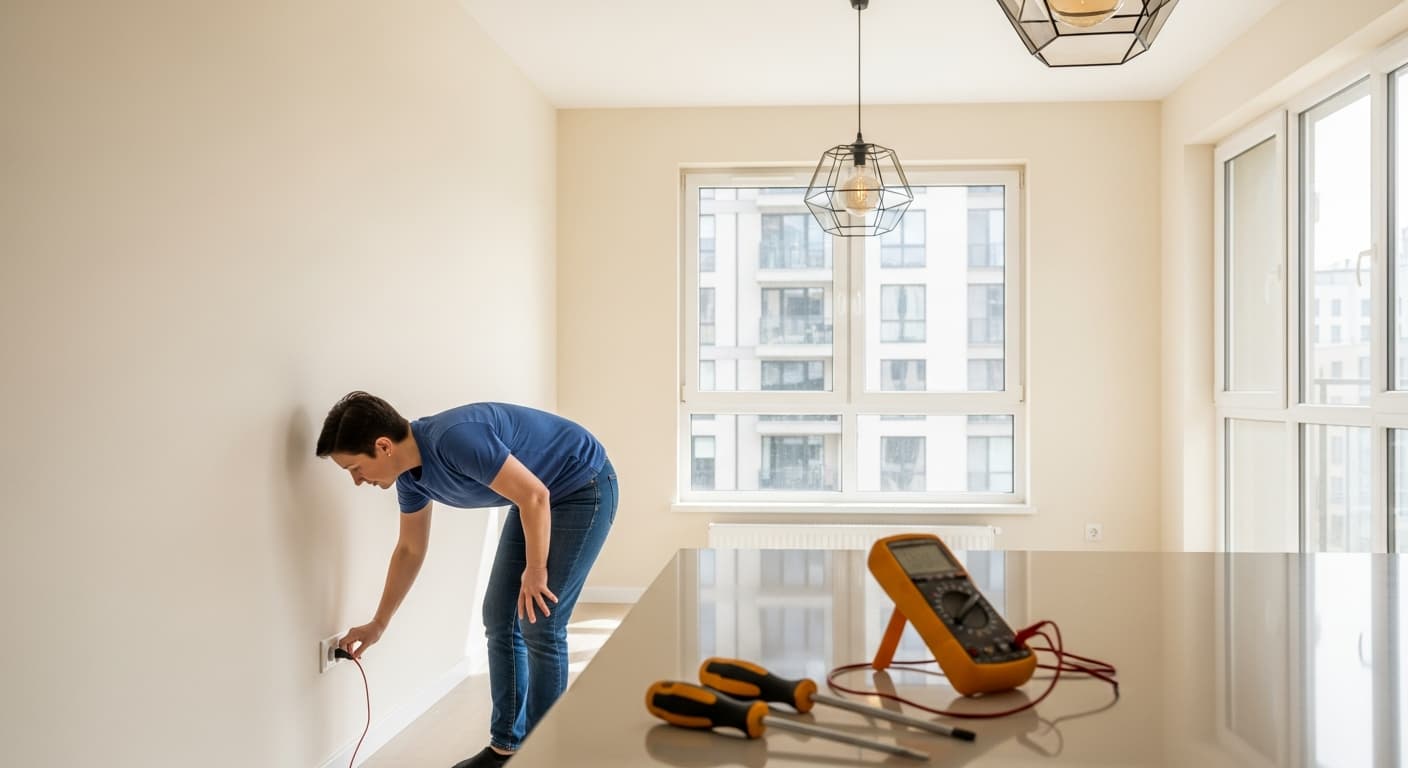
- Electrical System: Inspect all visible electrical outlets and light switches for damage or loose fittings. Test the residual current device (RCD) in your fuse box, if present, by pressing the 'T' or 'Test' button; it should trip immediately. Look for any signs of scorching, exposed wires, or unusual burning smells. An electrician can perform a full inspection if there are concerns, which typically costs between 50-100 BGN depending on complexity.
- Plumbing: Check under all sinks, around toilets, and near appliances like washing machines or dishwashers for any signs of leaks or dampness. Turn on all taps to verify water pressure and ensure drains are clear and functional. A slow drain can indicate a blockage that may worsen over time.
- Gas Appliances: If your apartment uses natural gas for heating or cooking, check for any lingering smell of rotten eggs, which indicates a gas leak. Ensure that all gas appliances have proper ventilation and that their connections appear secure. Do not attempt to fix gas leaks yourself; contact a certified gas technician immediately.
- Locks and Security: Test the functionality of all locks on entrance doors and windows. If the apartment is not brand new, consider changing the cylinder locks on the main entrance door for enhanced security. This is a relatively inexpensive upgrade, often costing 30-80 BGN for the cylinder itself, plus a locksmith's fee if professional installation is desired.
- Smoke and Carbon Monoxide Detectors: Install new detectors or verify the functionality of existing ones. These devices are inexpensive but provide vital early warning in case of fire or carbon monoxide leaks.
Utilities and Services Setup
Connecting or transferring utilities is a primary task to ensure comfort and avoid service interruptions.
- Electricity: Record the initial meter reading immediately upon moving in. Contact the local electricity supplier (e.g., EVN, CEZ, Energo-Pro depending on region) to transfer the contract into your name or set up a new one. This typically requires proof of ownership/tenancy and identification.
- Water: As with electricity, take an initial water meter reading. Contact the local water company (e.g., Sofiyska Voda for Sofia residents) to update account details. Be aware of any outstanding bills from previous occupants.
- Heating: Understand the heating system in place. If it is central heating, confirm your account details with the heating utility (e.g., Toplofikatsia Sofia). For individual electric or gas systems, ensure they are functional and efficient. Test radiators or air conditioning units to confirm they are working correctly.
- Internet and Television: Arrange for installation with a local internet service provider. Bulgaria has several competitive providers offering various packages. Installation usually takes 1-3 working days.
- Waste Management: Familiarise yourself with the local waste collection schedule and requirements. Most municipalities have specific rules for sorting and disposal.
Paperwork and Administration
Bulgarian administrative procedures require timely attention, especially when establishing a new residence.
- Address Registration: Registering your new address with the local municipality (Obshtina) is a mandatory step, usually required within a few working days of moving. This is crucial for obtaining various official documents and services.
- Property Tax and Fees: Understand your obligations for annual property tax and any communal fees (e.g., for building maintenance, elevator, cleaning of common areas). These are typically paid to the municipality or the building's management committee.
- Home Insurance: While not mandatory, consider obtaining home insurance. Policies can protect against fire, flood, theft, and other damages, offering financial security for your investment.
- Building Management: Introduce yourself to the building's management committee or the designated building manager. Understand the internal rules of the building and the process for paying common expenses.
Initial Fixes and Maintenance
Addressing minor issues early can prevent them from escalating into larger, more costly problems.
- Thorough Cleaning: Even if the apartment appears clean, a deep clean, especially of the kitchen and bathroom, is advisable. This ensures hygiene and allows you to inspect surfaces more closely.
- Minor Repairs: Attend to small, easily fixable issues. These might include tightening loose cabinet hinges, replacing non-functioning light bulbs, fixing a dripping faucet washer (a few leva for parts), or re-caulking around a bathtub. Many of these can be DIY tasks.
- Pest Control: Check for any signs of pests (e.g., droppings, gnaw marks). Addressing potential infestations early can prevent them from becoming established problems.
- Appliance Testing: If the apartment includes appliances, test them all. Run the washing machine through a cycle, check the oven and hob, and ensure the refrigerator cools properly. Document any issues immediately, especially if renting.
Completing these initial checks and administrative tasks ensures a safer, more functional, and legally compliant living space. While many items on this checklist are manageable independently, complex electrical, plumbing, or heating system issues often require professional expertise. For significant repairs, installations, or expert inspections, consider engaging a qualified professional through FIX to ensure the work is done correctly and safely.