
Electrical Hazards in Older Bulgarian Flats: DIY or Pro?
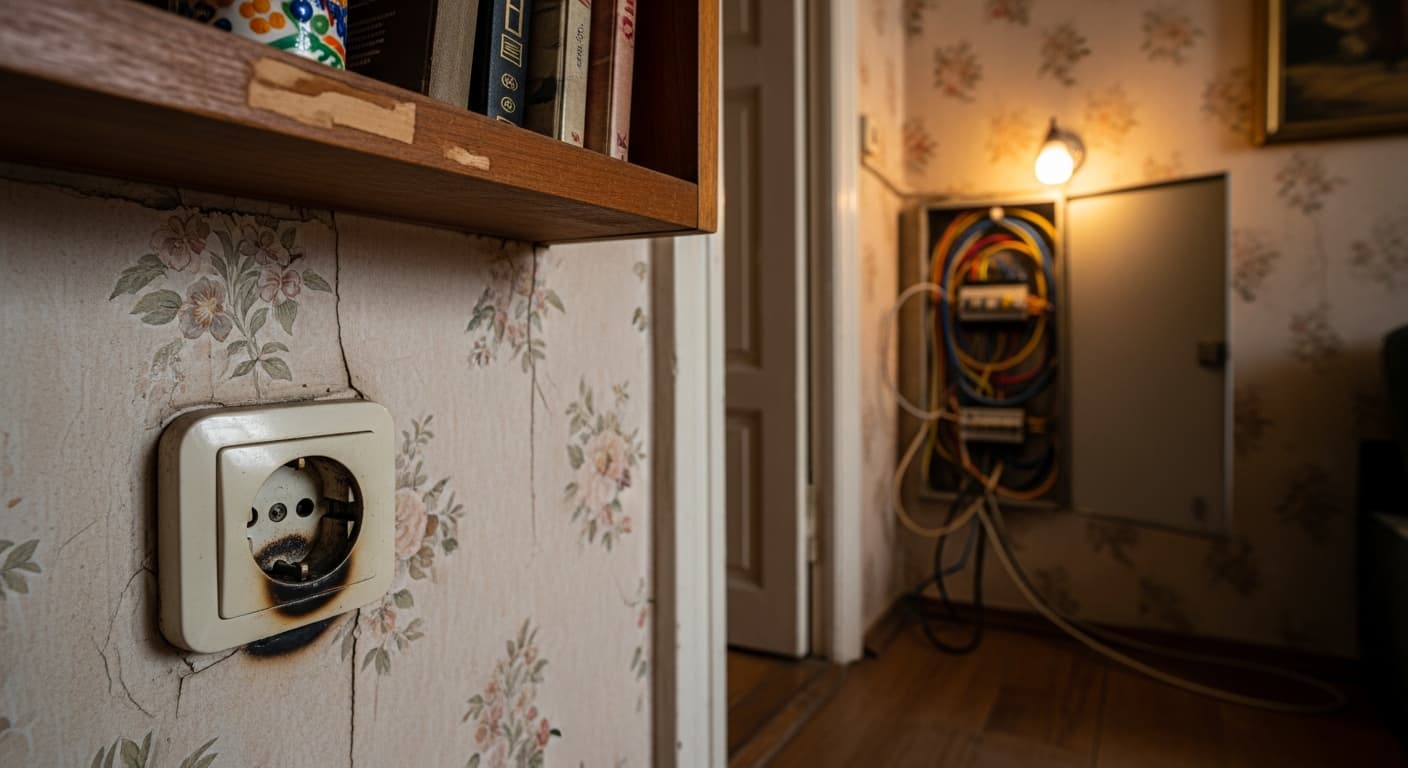
Older Bulgarian apartments often come with unique charm, but also with electrical systems that may not meet modern safety standards. Wiring installed decades ago can deteriorate, posing risks from fire to electric shock. Understanding the warning signs is crucial for any homeowner, as is knowing the clear line between minor fixes and tasks that demand a professional electrician. This guide helps identify those critical distinctions.
Common Electrical Warning Signs
Many electrical problems announce themselves before they become critical failures. Recognizing these indicators can prevent more serious incidents.
- Flickering or Dimming Lights: If lights frequently flicker or dim, especially when another appliance turns on, it suggests an overloaded circuit or loose wiring. This is beyond a simple bulb change.
- Burning Smell or Scorched Outlets: A burning odor emanating from an outlet, switch, or appliance, or visible scorch marks on these components, indicates overheating. Immediately unplug anything connected and turn off power to that circuit. This requires immediate professional attention.
- Frequent Circuit Breaker Trips: Circuit breakers are designed to trip when a circuit is overloaded, preventing overheating and fire. If a breaker trips repeatedly, it signals an underlying issue—either too many appliances on one circuit or a fault in the wiring. Do not simply reset and continue; investigate the cause.
- Warm Outlets or Switch Plates: It is normal for some electrical components to be slightly warm during operation, but if an outlet or switch plate is noticeably hot to the touch, it indicates excessive resistance and potential overheating within the wiring.
- Buzzing or Sizzling Sounds: Any unusual sounds from outlets, switches, or the electrical panel suggest loose connections or arcing, which can generate significant heat and fire risk.
- Minor Shocks: Even a slight tingle when touching an appliance or switch is a serious warning sign. This indicates a grounding issue or faulty wiring, making electrocution a real possibility.
What You Can Safely Fix Yourself
Some minor electrical tasks can be handled by homeowners with basic tools and knowledge, but always ensure the power is off at the main breaker before starting.
- Replacing Light Bulbs: This is the most basic task. Ensure the new bulb matches the wattage rating of the fixture.
- Resetting a Tripped Circuit Breaker: If a breaker trips once after an identified overload (e.g., plugging in too many devices), you can reset it. First, unplug the offending appliances. Then, flip the breaker fully to the "OFF" position before pushing it back to "ON." If it trips again immediately, do not reset it repeatedly; call a professional.
- Replacing a Wall Plate: If a switch or outlet cover plate is cracked or broken, you can replace it. Ensure the power to that circuit is off. These are purely cosmetic and do not involve touching live wires.
- Testing Outlets with a Tester: A simple outlet tester can indicate if an outlet is receiving power or if it has a wiring fault (e.g., open ground, reverse polarity). This is a diagnostic step, not a repair.
These tasks are generally low-risk, provided you follow safety protocols, especially turning off power. Always use insulated tools.
When to Call a Professional Electrician
Many electrical issues in older apartments require the expertise and specialized tools of a licensed electrician. Attempting these yourself can lead to severe injury, fire, or further damage to the electrical system.
- Any Wiring Work: This includes installing new outlets, switches, light fixtures, or extending circuits. All wiring work must comply with current safety standards and local regulations.
- Electrical Panel Issues: Upgrading an old fuse box to a modern circuit breaker panel, replacing faulty breakers, or increasing the apartment's electrical capacity are complex tasks involving the main power supply. Never attempt to open or work inside the main electrical panel yourself.
- Persistent Problems: If you experience frequent breaker trips, flickering lights without an obvious cause, or any of the serious warning signs mentioned earlier, and cannot identify a simple fix, a professional diagnosis is necessary.
- Exposed or Damaged Wiring: Any visible frayed, chewed, or uninsulated wires are an immediate hazard. Do not touch them. Isolate the power to that section if possible and call an electrician immediately.
- Installation of Major Appliances: High-power appliances like ovens, water heaters, or air conditioners often require dedicated circuits or specific wiring configurations that a standard outlet cannot provide.
- Grounding Issues: Older Bulgarian apartments may lack modern grounding systems, which are critical for safety. Addressing grounding deficiencies requires significant electrical work.
The cost of professional electrical work varies, but can range from €50 for minor diagnostics to €500-€1500 or more for a full panel upgrade or rewiring sections of an apartment. Consider this an investment in safety and property value.
Understanding Your Electrical Panel
Your electrical panel is the heart of your apartment's electrical system, distributing power safely. Older apartments often have fuse boxes, while newer ones use circuit breakers.
Fuse boxes use replaceable fuses that melt and break the circuit when overloaded. Circuit breaker panels use switches that trip. Both serve the same safety function. It is crucial to know where your panel is and how to turn off the main power in an emergency. Never replace a fuse with one of a higher amperage rating, and never bypass a tripped breaker. These actions defeat the safety mechanisms and create serious fire hazards.
Electrical safety is not an area for guesswork. While some minor issues can be addressed by a careful homeowner, most electrical problems in older Bulgarian apartments require the expertise of a certified professional. Ignoring warning signs or attempting complex repairs without proper training and tools puts your home and family at significant risk. For any task beyond simple bulb changes or resetting a tripped breaker, booking a qualified electrician through FIX ensures the work is done safely and correctly, adhering to all Bulgarian safety standards.