
DIY Lock Replacement or Professional Locksmith? A Homeowner's Guide
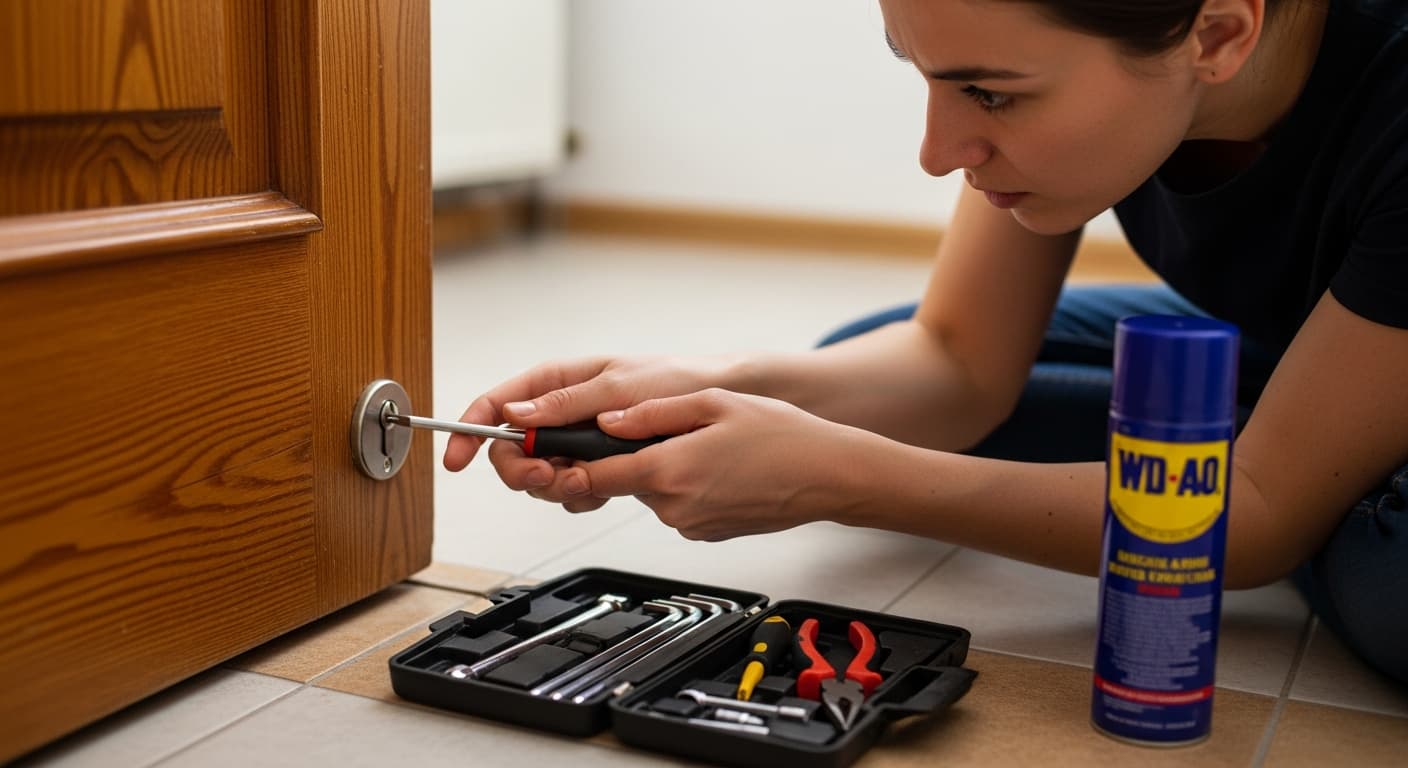
When a door lock malfunctions, breaks, or requires an upgrade, homeowners face a choice: attempt the repair or replacement themselves, or engage a professional locksmith. This decision hinges on the type of lock, the required tools, the homeowner's skill level, and the inherent risks of a DIY approach versus the expertise and efficiency offered by a specialist.
When to Attempt a DIY Lock Swap
A do-it-yourself lock replacement is typically feasible for standard cylinder locks found on many interior doors or simpler exterior doors. These are often European profile cylinders, common in Bulgarian homes. The task involves removing a retaining screw on the door edge, inserting the key to align the cam, and sliding the cylinder out. Installation is the reverse process. This is most appropriate if the existing lock is identical to the replacement in terms of size and type.
Tools Required for Basic Cylinder Replacement:
- Screwdriver (Phillips or flathead, depending on screw type)
- Measuring tape (to ensure correct cylinder length)
- New lock cylinder
- Key for the new cylinder
- Possibly pliers or a small wrench for stubborn screws
Before beginning, measure the existing cylinder carefully, noting its length from the center of the retaining screw hole to each end. Also, identify if it's a double-cylinder (key on both sides), single-cylinder (key on one side, thumbturn on the other), or half-cylinder (key on one side only). A simple cylinder swap might take an experienced DIYer 30-60 minutes.
Risks and Challenges of DIY Lock Replacement
Attempting a lock replacement without adequate knowledge or tools carries several risks. Incorrect installation can compromise security, leaving a home vulnerable. A misaligned cylinder can be difficult to turn or extract, potentially jamming the door. Damage to the door itself, such as stripped screw holes or splintered wood, is also a possibility, especially with older doors or those made from softer materials. If the new lock does not fit precisely, it may require modifications to the door or frame, which can be complex and lead to further damage.
Furthermore, some locks, such as multi-point locking systems common on modern entrance doors, are significantly more complex than standard cylinders. These systems involve multiple locking points engaging simultaneously along the door frame. Replacing components within these systems requires specialized knowledge and tools, making them unsuitable for a DIY approach. Incorrectly tampering with these can render the entire door mechanism inoperable.
When to Call a Professional Locksmith
Engaging a professional locksmith is advisable in several scenarios. If a lock is part of a complex multi-point system, or if it is an older, unusual, or high-security model, a locksmith possesses the expertise to handle it without damaging the door or compromising security. Locksmiths are also essential for emergency situations, such as lockouts or broken keys, providing rapid access without destructive entry methods where possible. For security upgrades, a locksmith can assess a property's vulnerabilities and recommend appropriate, certified locking solutions.
Situations Requiring a Locksmith:
- Emergency lockouts: Lost keys, broken keys in the lock.
- Damaged locks: Locks that are jammed, stiff, or broken internally.
- High-security lock installation: Requiring specific tools and precise fitting.
- Multi-point locking systems: Repair or replacement of complex mechanisms.
- Rekeying: Changing the internal pins to work with new keys without replacing the entire lock.
- Door damage: When the door or frame needs repair alongside the lock.
- Unfamiliar lock types: When the homeowner cannot identify the lock type or required procedure.
What a Locksmith Does On-Site
A professional locksmith arrives equipped with a comprehensive set of tools, including specialized picks, drills, extractors, and various measuring devices. Their first step is typically an assessment of the lock and door to determine the issue and the most effective solution. This might involve diagnosing a faulty mechanism, identifying the specific lock type, or evaluating the security needs of the property. They can often repair locks that a DIYer would simply replace, saving money and preserving existing hardware.
During a lock replacement, a locksmith ensures the new lock is correctly aligned, securely fitted, and functions smoothly. They verify that all locking points engage properly, especially with multi-point systems. Locksmiths also have access to a wider range of quality locks and can advise on the best options for security and durability, often providing guarantees for their work. Their efficiency and precision minimize the risk of damage to the door and ensure optimal security for the property.
For complex lock issues, security upgrades, or when time is critical, entrusting the task to a professional ensures the job is done correctly and securely. If you are unsure about the nature of your lock problem or the scope of a DIY repair, consider booking a qualified professional through FIX to handle the task efficiently and safely.