
Deep Cleaning After Renovation: DIY Checklist vs. Pro Results
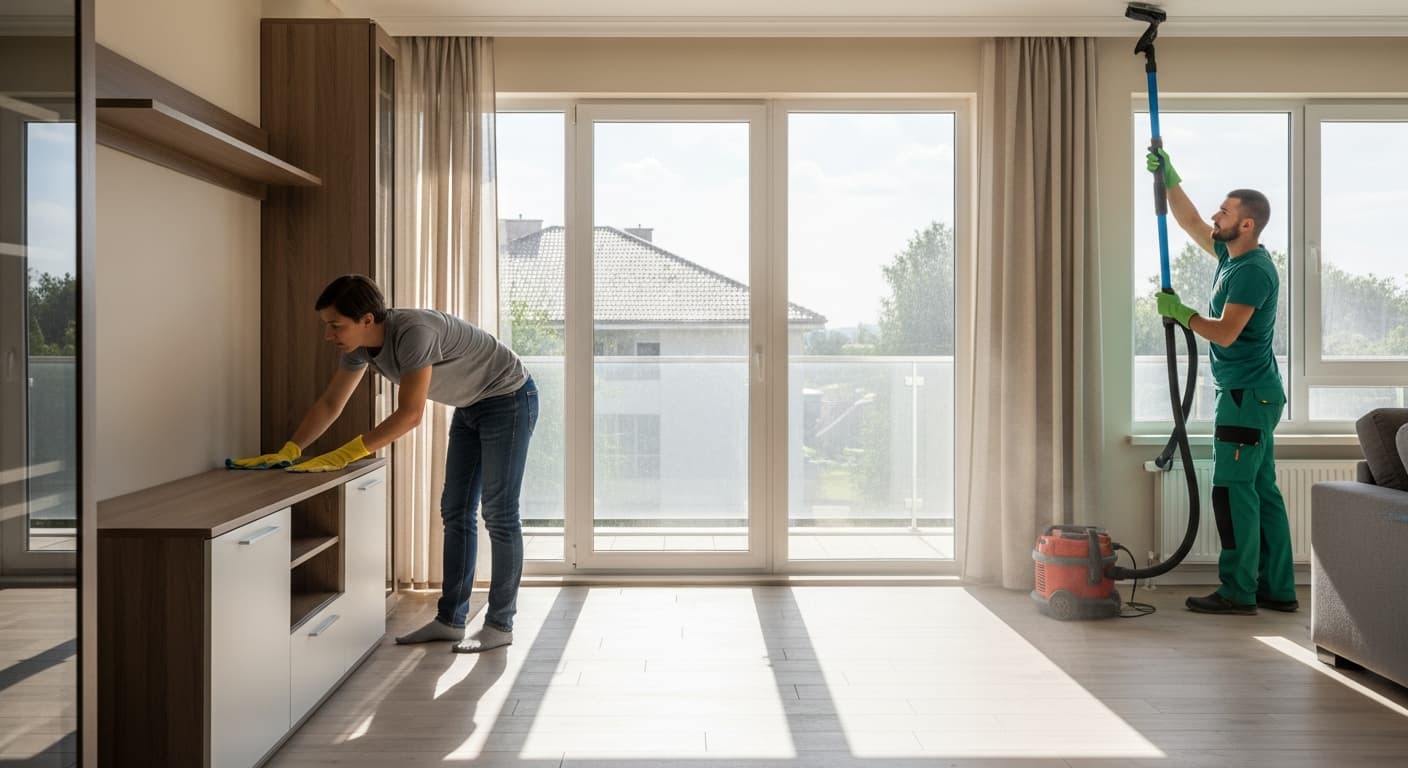
Renovations, whether minor or extensive, inevitably leave behind a significant amount of dust, debris, and residue. This post-construction mess requires more than a standard weekly clean; it demands a deep cleaning effort to restore your home to its pre-renovation cleanliness and ensure a healthy living environment. The decision often comes down to tackling the task yourself or engaging professional cleaners.
The DIY Post-Renovation Cleaning Checklist
For homeowners opting to manage the cleanup personally, a structured approach is essential. This checklist covers the primary areas requiring attention:
- Initial Debris Removal: Start by removing all large construction debris, plastic sheeting, and protective coverings. Use a broom or shop vac for larger particles before fine dust.
- Dusting from Top to Bottom: Dust settles everywhere. Begin with ceilings, light fixtures, and high shelves, then work down to walls, windowsills, doors, and baseboards. Use damp cloths to capture dust, not just spread it.
- Window and Glass Surfaces: Clean all windows, mirrors, and glass doors to remove paint splatters, dust, and fingerprints. This often requires multiple passes with a squeegee and glass cleaner for streak-free results.
- Surface Wiping: Thoroughly wipe down all hard surfaces, including countertops, cabinets (inside and out), appliances, and built-in furniture. Pay close attention to corners and edges where dust accumulates.
- Floor Cleaning: Vacuum all carpets and rugs multiple times. For hard floors (tile, laminate, hardwood), vacuum or sweep meticulously, then follow with mopping using appropriate cleaning solutions. Change water frequently.
- Ventilation System: Dust often infiltrates air vents. Wipe down vent covers and consider replacing air filters in your HVAC system.
What DIY Often Misses: The Hidden Dirt
While a homeowner can address visible dust and debris, several areas and types of dirt are frequently overlooked or prove challenging to clean without specialized tools and experience.
- Fine Dust Particles: Construction dust is exceptionally fine and can remain suspended in the air or settle in microscopic crevices for weeks. Standard vacuums and cloths often fail to capture these particles effectively, leading to ongoing dust issues.
- High and Hard-to-Reach Areas: Ceilings, high ledges, light fixtures, and the tops of tall cabinets are difficult to access safely and clean thoroughly without proper ladders and extensions.
- Inside HVAC Ducts: Dust can enter and accumulate within your heating, ventilation, and air conditioning ducts. This requires specialized equipment for proper cleaning, beyond what a homeowner typically possesses.
- Specialized Surface Cleaning: Different materials react differently to cleaning agents. Incorrect products can damage new countertops, flooring, or painted surfaces. Professional cleaners understand these nuances.
- Grout and Tile Haze: After tiling work, a thin film of grout haze can remain on tiles, which is difficult to remove without specific acidic cleaners and scrubbing techniques.
- Deep-Seated Stains: Paint drips, adhesive residue, or caulk smears can be stubborn and require specific solvents or gentle scraping methods that risk damaging the underlying surface if not done correctly.
The Professional Edge: Beyond Surface Clean
Hiring professional post-renovation cleaners offers distinct advantages that go beyond what a typical homeowner can achieve. They bring a combination of expertise, specialized equipment, and efficiency to the task.
- Industrial-Grade Equipment: Professionals utilize powerful HEPA-filter vacuums that capture even the finest dust particles, preventing them from recirculating. They also have industrial-strength scrubbers, steam cleaners, and air purifiers.
- Specialized Cleaning Products: They use a range of professional-grade, often concentrated, cleaning solutions tailored for specific materials and types of construction residue (e.g., paint stripper, grout haze remover, adhesive solvents).
- Experience and Training: Professional cleaners are trained to identify and address common post-construction issues. They know where dust hides, how to safely clean various surfaces without damage, and the most efficient order of operations.
- Time and Thoroughness: A professional team can complete a deep clean in a fraction of the time it would take a homeowner, often with a superior level of thoroughness. For a 100 m² apartment, a DIY deep clean might take 3-5 days, whereas a professional team could finish in 1-2 days.
- Health and Safety: Dealing with fine dust and chemical residues can pose health risks. Professionals use appropriate personal protective equipment and ventilation techniques to ensure a safer cleaning process.
When to Call a Pro
Consider engaging professional cleaners for your post-renovation cleanup if the renovation was extensive, involved significant drywall work, or generated a large volume of fine dust. If you have limited time, lack the specific tools, or want to ensure every hidden speck of dust and residue is gone, a professional service is the more effective choice. This is especially true for homes with residents who have allergies or respiratory sensitivities, as thorough dust removal is critical.
After a renovation, the goal is to enjoy your updated space without lingering dust or residue. While a DIY approach can address visible issues, professional cleaners offer a level of detail and equipment that ensures a truly spotless, healthy environment. For those heavy-duty post-renovation cleaning tasks, booking a FIX professional can save time and deliver a superior result, allowing you to settle into your newly renovated home immediately.