
Balcony Conversion: Drainage, Sun Exposure, and Bulgarian Apartment Rules
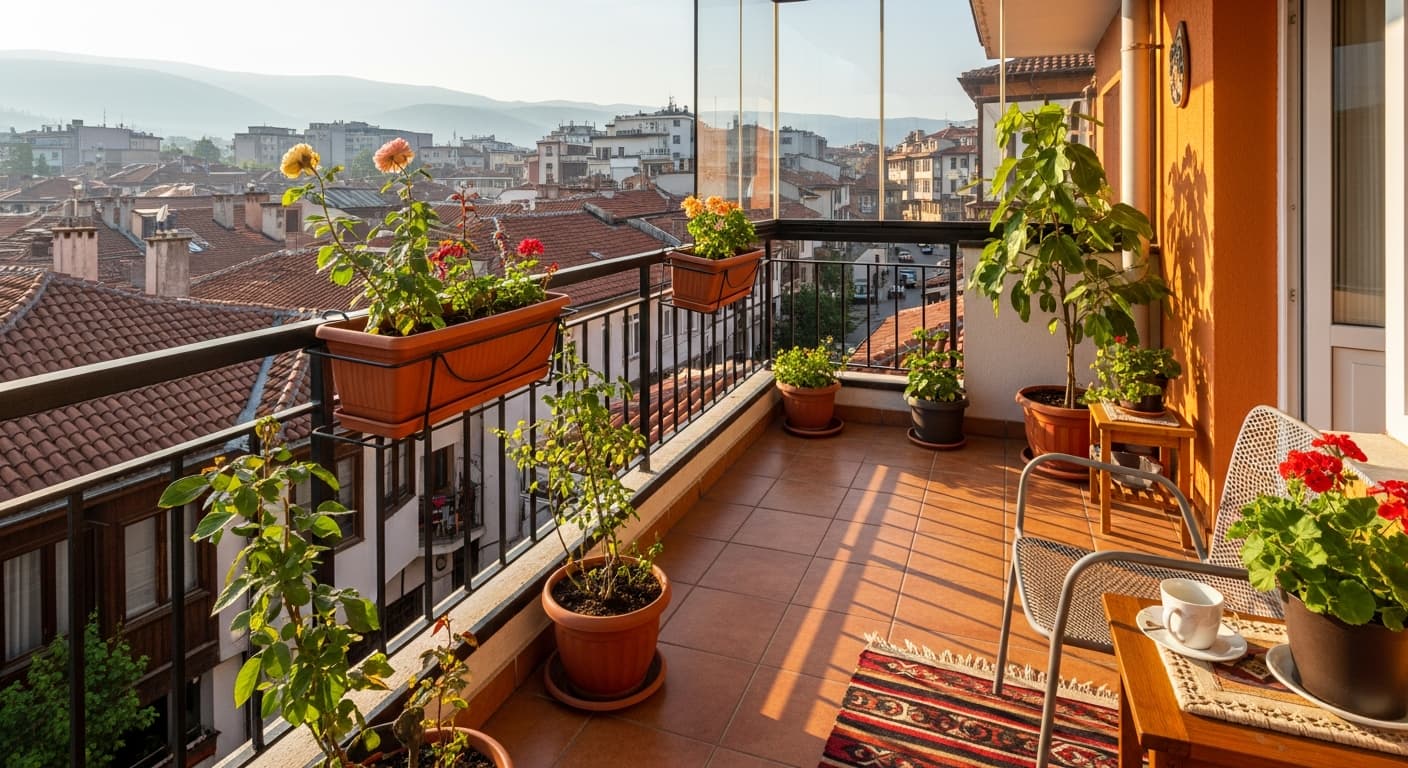
Bulgarian apartments often feature balconies or terraces that present opportunities for expanded living space. Before undertaking any modification, it is essential to understand the technical and legal frameworks governing these structures. Key considerations include effective water management, optimizing for natural light, and adherence to structural integrity regulations specific to multi-apartment buildings in Bulgaria.
Drainage Systems for Balconies and Terraces
Effective drainage is paramount for any balcony or terrace, especially when considering its conversion into a more integrated living area. Improper water management can lead to significant issues, including water penetration into the structure, damage to the building façade, and leaks into lower-floor apartments. Standard balcony drainage involves a slight slope, typically 1-2%, towards a floor drain or the exterior edge where water can freely exit. Over time, drains can become clogged with debris, or the original waterproofing may degrade.
- Slope and Outlets: Ensure the balcony floor has a sufficient gradient to direct water towards designated drains or drip edges. A minimum 1% slope is generally recommended for adequate runoff.
- Waterproofing: A robust waterproofing membrane beneath the screed and tiles is crucial. This typically involves liquid membranes, bitumen sheets, or PVC membranes. Repairing failed waterproofing can cost between €50 and €150 per square meter, depending on the materials and complexity.
- Maintenance: Regularly clear drains of leaves, dirt, and other obstructions. Inspect the integrity of seals around drains and along the perimeter of the balcony.
In multi-apartment buildings, issues with shared drainage systems can be complex. Responsibility for repairs to common parts, including main drainage pipes, usually falls to the condominium association. However, the waterproofing and surface drainage of an individual balcony typically remain the owner’s responsibility, though poor maintenance can impact neighbors.
Optimizing Sun Exposure and Thermal Comfort
The orientation of a balcony significantly influences its usability and comfort throughout the year. Bulgarian summers are hot, and winters can be cold, making sun exposure and thermal regulation critical factors in any conversion project.
- Solar Gain and Shade: South-facing balconies receive the most direct sunlight, leading to significant heat gain in summer. North-facing balconies remain cooler but receive less natural light. Consider retractable awnings, pergolas, or exterior blinds to manage summer heat and UV radiation.
- Insulation and Glazing: If enclosing a balcony, proper insulation for walls, floor, and ceiling is essential to prevent heat loss in winter and heat gain in summer. Installing high-quality double or triple-glazed windows can drastically improve thermal performance. The cost for enclosing a balcony with PVC windows and basic insulation can range from €200 to €400 per square meter.
- Material Choices: Light-colored flooring materials, such as ceramic tiles or light-toned decking, can reflect sunlight and help keep the surface cooler. For enclosed spaces, consider underfloor heating for winter comfort, though this adds to the structural load and electrical demand.
Allowable Structural Changes and Regulations
Any modification that alters the structural integrity or exterior appearance of a building in Bulgaria is subject to strict regulations. These rules are in place to ensure safety for all residents and to maintain the architectural coherence of the building.
- Building Permits: Enclosing a balcony, altering its footprint, or changing the facade requires a building permit (разрешение за строеж) from the local municipality (Община). This process typically involves submitting architectural and structural designs prepared by licensed professionals.
- Structural Integrity: The original design of a balcony is for a specific load. Adding significant weight, such as heavy glazing systems, extensive insulation, or large furniture, can exceed this capacity. A structural engineer must assess the existing structure and approve any proposed changes. Ignoring this can lead to dangerous structural failures.
- Common Parts: In condominium buildings, balconies are often considered common parts of the building or are subject to regulations governing the building's facade. This means that changes may require the consent of the other apartment owners, typically through a decision by the General Assembly (Общо събрание) of the condominium owners.
- Unauthorized Modifications: Proceeding without the necessary permits and approvals can result in substantial fines, orders to restore the balcony to its original state at the owner's expense, and potential legal disputes with neighbors or the municipality.
Legal and Administrative Steps
Navigating the legal framework for balcony modifications in Bulgaria requires careful attention to detail. Skipping steps can lead to costly rectifications and legal issues.
- Consult Professionals: Engage a licensed architect to design the modifications and a structural engineer to assess the load-bearing capacity and ensure safety. These professionals will prepare the necessary documentation for permit applications.
- Condominium Approval: Before applying for a building permit, secure the required percentage of votes from the condominium owners at a General Assembly meeting. This is particularly important for changes affecting the building's facade or common structural elements.
- Permit Application: Submit the complete set of documents, including designs, structural assessments, and condominium approval, to the relevant department of your local municipality. The approval process can take several weeks to months.
- Construction Oversight: Once a permit is granted, ensure that the construction work is carried out by qualified contractors in strict accordance with the approved plans. Inspections by municipal authorities may occur during or after the construction.
Transforming a balcony or terrace requires careful planning and adherence to regulations. From ensuring proper drainage to navigating structural limitations and obtaining permits, each step demands expertise. For complex projects involving structural changes, waterproofing, or facade alterations, engaging a qualified professional is not just advisable but often legally required. A professional can ensure compliance and the long-term integrity of the modification.