
Apartment Insulation Upgrades: Improve Comfort Without Permission
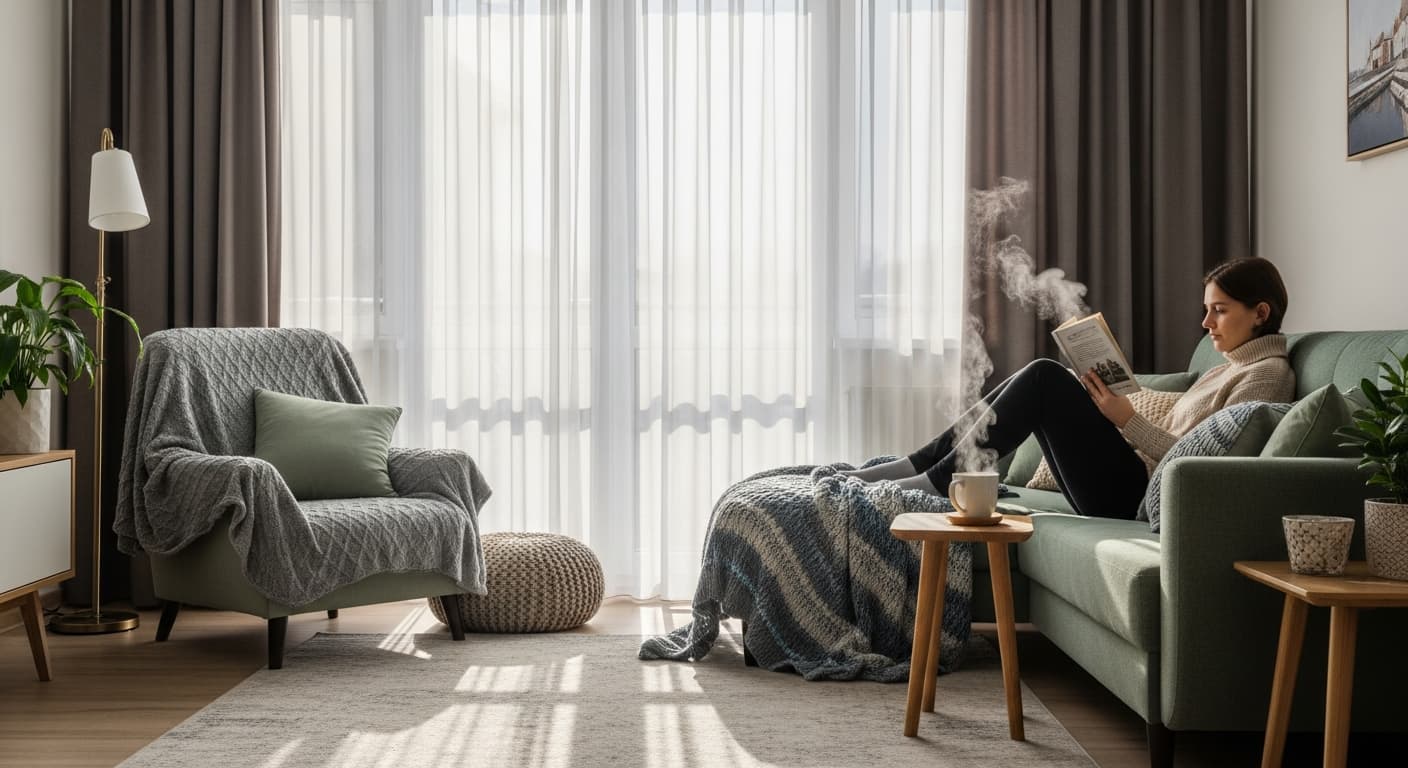
Many apartment residents experience drafts and significant heat loss, leading to increased energy consumption and discomfort during colder months. While external insulation projects typically require consent from the building management or municipality, numerous internal upgrades can substantially improve an apartment's thermal performance without needing such permissions. This guide outlines practical, permission-free measures for enhancing insulation around windows, doors, and interior walls.
Addressing Window Heat Loss
Windows are a primary source of heat loss in any dwelling. Even modern double-glazed units can allow drafts if seals are compromised. Addressing these vulnerabilities is a cost-effective way to improve thermal comfort.
Draft Sealing: Inspect window frames for visible gaps or drafts. Self-adhesive foam or rubber weatherstripping can be applied to the sashes where they meet the frame, effectively blocking air infiltration. For fixed gaps between the window frame and the wall, an acrylic caulk provides a durable seal. Materials for these fixes typically cost between €5 and €20, and installation takes minimal time.
Window Films: Transparent plastic films, available in rolls, can be applied to the interior side of window panes. These films create a still air gap between the film and the glass, acting as an insulating layer. When heated gently with a hairdryer, the film shrinks taut, becoming nearly invisible. This solution is particularly effective for older, single-glazed windows and costs approximately €10-30 per window, depending on size.
Heavy Curtains and Thermal Blinds: Installing heavy, lined curtains or specialized thermal blinds adds a significant insulating barrier. Ensure curtains extend beyond the window frame and reach the floor or sill to effectively trap air and prevent convection currents. Thermal blinds often feature a reflective backing that helps bounce heat back into the room. This approach requires no structural changes and can also enhance privacy and light control.
Sealing Gaps Around Doors
Exterior apartment doors, or doors leading to unheated common areas like stairwells, are frequent sources of cold drafts. Improving their seal can significantly reduce heat loss.
Door Sweeps: Install a brush or rubber door sweep at the bottom edge of the door. These devices effectively block air movement under the door without impeding its function. Installation usually involves a few screws and takes less than 15 minutes, with costs ranging from €5 to €15.
Weatherstripping: Similar to windows, self-adhesive foam or rubber strips can be applied around the door frame where the door makes contact when closed. This creates a tight seal that prevents drafts from entering around the perimeter of the door. Ensure the strips are compressed slightly when the door is closed for maximum effectiveness.
Draft Stoppers: Fabric draft stoppers, often weighted, can be placed at the base of the door to block drafts. While not a permanent fix, they offer a simple, removable solution for immediate relief from cold air infiltration.
Insulating the Door Itself: For hollow-core doors, a more involved project involves carefully filling the interior with expanding foam insulation. This requires drilling small holes and injecting the foam, then patching the holes. Alternatively, rigid insulation panels can be cut to size and attached to the interior face of the door, then covered with decorative paneling or fabric to improve aesthetics. This method requires more skill and time.
Interior Wall Insulation Techniques
Cold exterior walls can radiate chill into a room, making it feel colder even with adequate heating. Internal insulation measures can mitigate this effect without altering the building's facade.
Insulating Wallpaper: Thicker than standard wallpaper, these products often feature a foam or cork backing. While providing only a modest insulating benefit, they can make a noticeable difference in reducing the cold feel of a wall. They are applied similarly to regular wallpaper and typically cost €20-50 per roll, depending on the material and thickness.
Thermal Plasterboard Panels: These are sheets of plasterboard (drywall) with an attached layer of insulation, such as polystyrene or mineral wool. They are fixed directly to the existing wall using adhesive or mechanical fasteners. This is a more involved DIY project, requiring basic carpentry and plastering skills. While effective, it slightly reduces the room's dimensions, typically by 2-5 cm per wall. The materials for a standard room might cost €100-300, plus tools.
Strategic Furniture Placement: Moving large pieces of furniture, such as wardrobes, bookshelves, or cabinets, against cold exterior walls can provide a small insulating barrier. This helps reduce the amount of heat lost through the wall. Ensure a slight gap (1-2 cm) is maintained between the furniture and the wall to allow for air circulation and prevent moisture buildup, especially in older buildings.
Implementing these internal insulation upgrades can significantly enhance an apartment's thermal comfort and contribute to lower heating costs. Many of these tasks are manageable for a homeowner with basic tools and some time. However, more complex installations, such as applying thermal plasterboard or extensive door insulation, may benefit from professional expertise. For assistance with these or other home improvement projects where a professional touch is required, consider booking a qualified professional through FIX.